ANIMA
In 2021, Yerba Buena Center for the Arts (YBCA) launched the YBCA 10 Fellowship. As artists working across disciplines, the ten of us were hand picked by a committee of program directors and curators to participate in an experimental prototyping lab: an 18-month process in which each of us received institutional support, studio space, funding, and resources to develop new work through iterative public engagement. Unlike a traditional residency or commission requiring a clear proposal from the start, we were encouraged to spend the majority of our time ideating, testing, failing, iterating, and above all else engaging the public at every stage. In-progress showings free and open to the public every month allowed visitors to interact with early versions of our works, offer feedback, and effectively become part of the prototyping process themselves.
The YBCA 10 was a high-stakes and short-lived experiment in new radical models of arts governance that valued trust over authority, process over product, civic responsibility over institutional prestige. Unfortunately, our cohort turned out to be one of the last expressions of the artist-led governance model championed by YBCA’s then-CEO Deborah Cullinan, who left her role shortly after the launch of our fellowship program.
The theoretical talk (of redistributing institutional power toward artists and communities by investing in social practice, experimentation, and long-term trust) was radical. But its implementation, which lacked in design or planning, revealed the limits of aspiration without scaffolding. What was meant to liberate us artists from institutional control instead left us vulnerable to the volatility of its politics. Under the leadership of “interim” CEO Sara Fenske Bahat, YBCA moved quickly to centralize decision-making, tighten HR policies, and narrow programming scope by readopting a more corporate framework—steps that many inside the organization interpreted as a rollback of the experimental “artist-as-civic-partner” model that birthed the YBCA 10.
By late 2023, few of the original staff who had developed that framework remained, multiple senior staff and operations chiefs either resigned or were let go. Without any parallel system of shared accountability between artists and administrators in place, those Cullinan-era values provided only a hologram of empowerment that was easily waved off by the Bahat administration. And because the experiment lacked the design or structure to demonstrate how such a model could actually function sustainably, its collapse risked sending the wrong message—that artists in fact could not be trusted to lead.
ANIMA is one of the artifacts of YBCA’s brief and half-formed promise of experimentation in the redistribution of institutional power. The fellowship’s emphasis on how art engages policy, ecology, public health, and technology made me wonder: in a world where dance is often extracted and commodified, how can we shift its purpose toward relationship, reminding us that to dance is also to care, to attend, to keep something alive? How might I prototype a system that makes dancers feel heard or seen, by responding to and reflecting back their movements as resonance, as a kind of ecological echo.
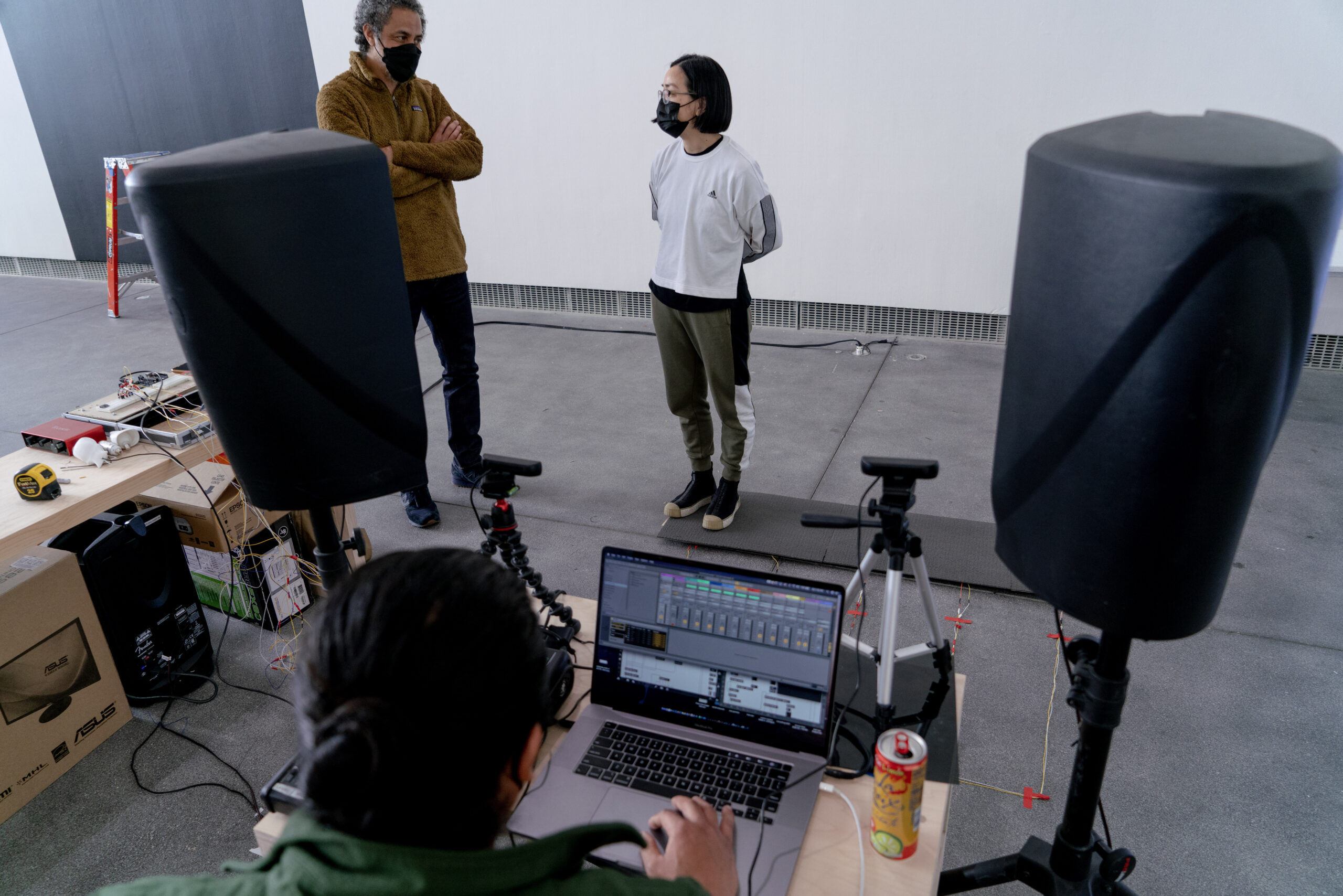
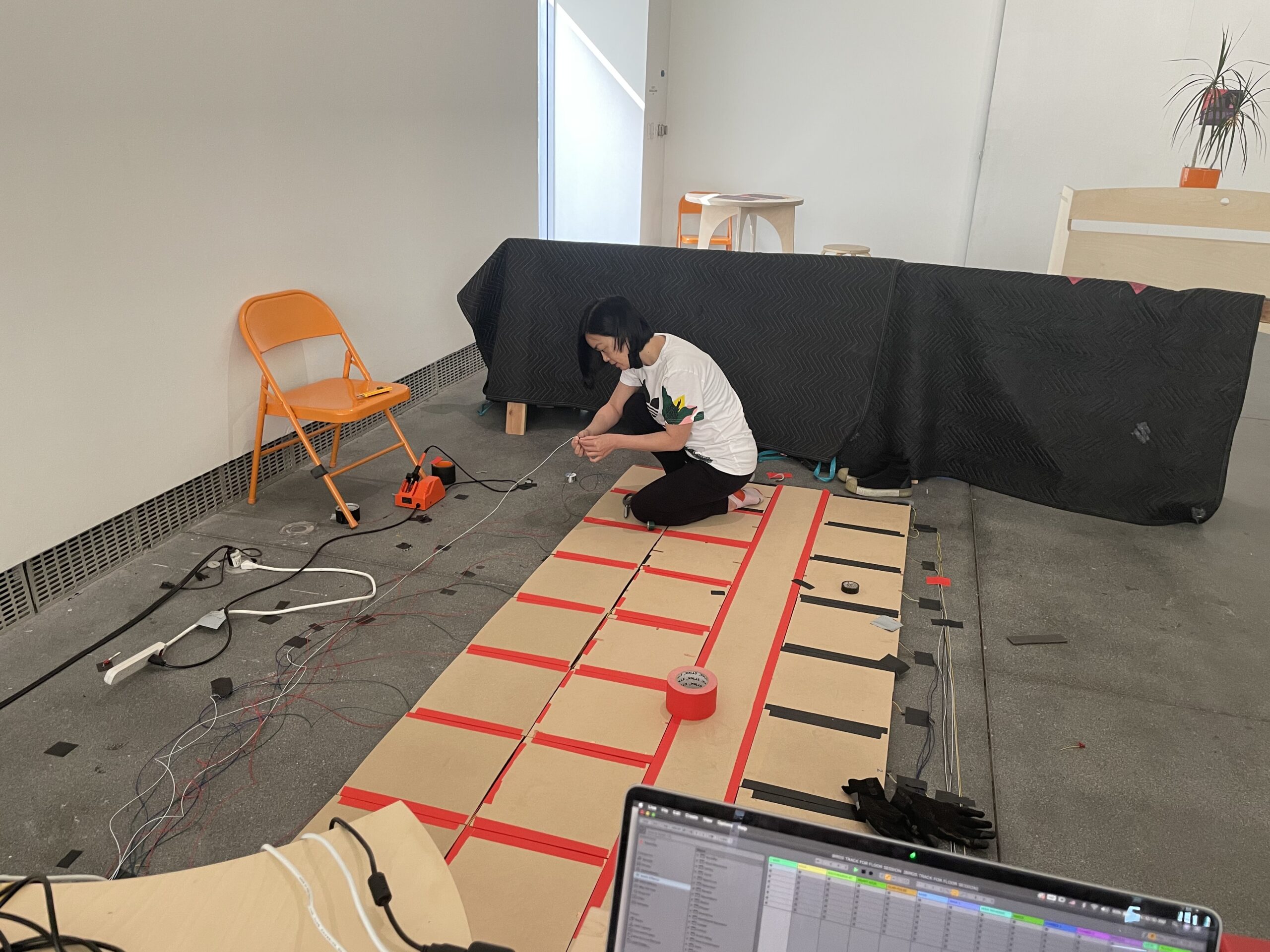
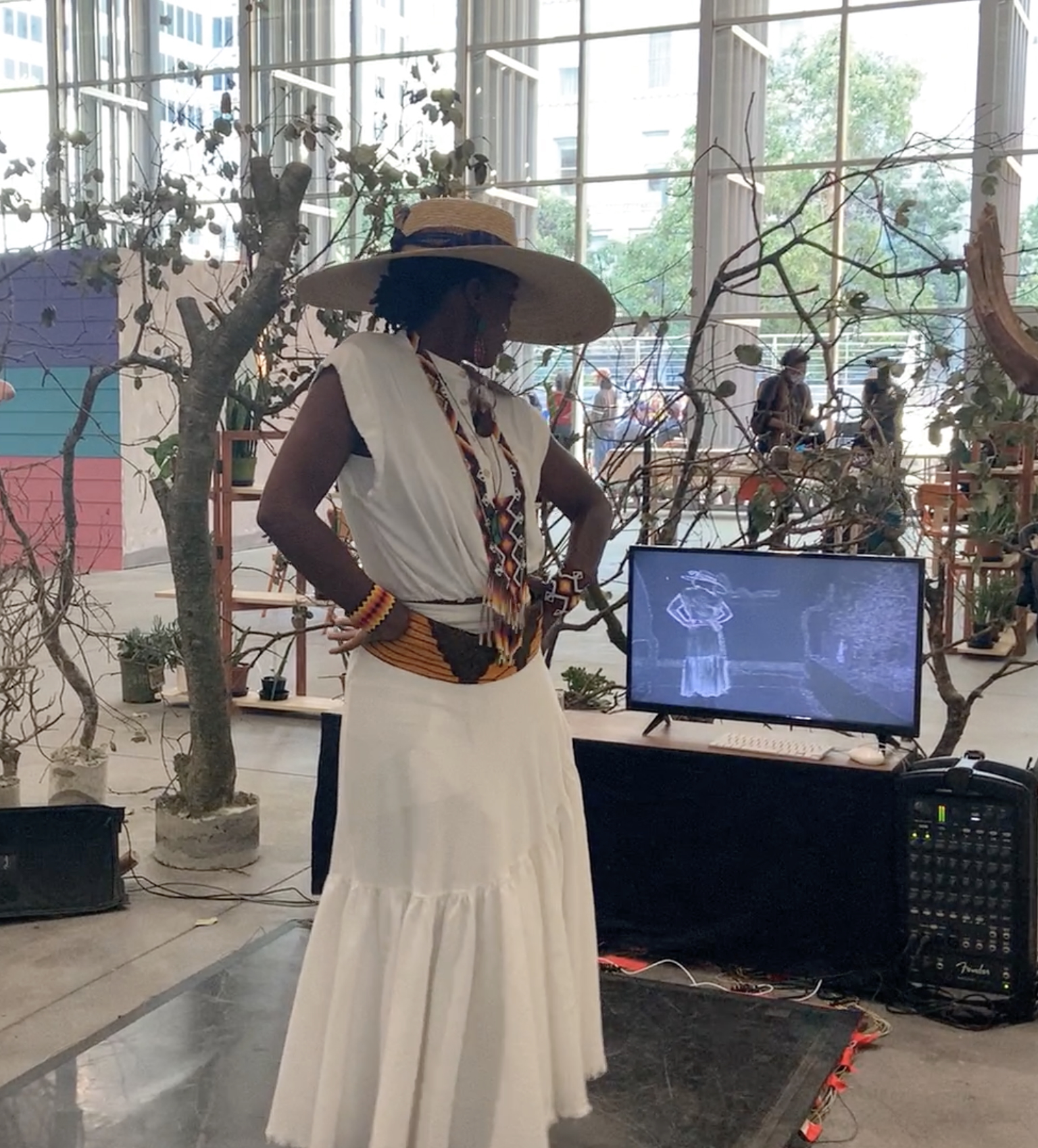
From that question came ANIMA, an interactive, movement-sensing installation using real time motion-tracking and pressure sensing technologies to turn a participants dance into musical compositions comprised of endangered bird songs and other sonic remnants of a disappearing natural world. ANIMA fuses dance movement, media art, and found sound to construct an interactive space where relationality takes precedence over spectacle or performance.
Ultimately, ANIMA carries forward the potential in YBCA’s proposition that institutions can listen as responsively as they expect artists to. It both honors that experiment and exposes its fragility, reminding us that listening and care must be built into the institute’s design, codified in bylaws and long-term policies, not merely declared in alterable mission statements and public communications. As ANIMA continues to adapt to new contexts, it gestures toward more likely futures for artist-centered institutions—ones in which trust and openness are thoughtfully and diligently crafted into operable frameworks. For any experiment to live beyond its rhetoric, vision must be met with thoughtful design, ethics, feedback, and structure that make care durable.
Webcams, computer, speakers, Serge modular system, Max/MSP, Ableton Live, Teenage Engineering OP-Z and Op1, found sound
Musical stems composed by Alex “Pu22l3” Abalos and Adele Etheridge Woodson